(A Photography Manifesto)
Nostalgia is my drug of choice.
Most people think of nostalgia like some sort of gold-plated rearview mirror. A way of saying things were better back then. A longing for something already gone.
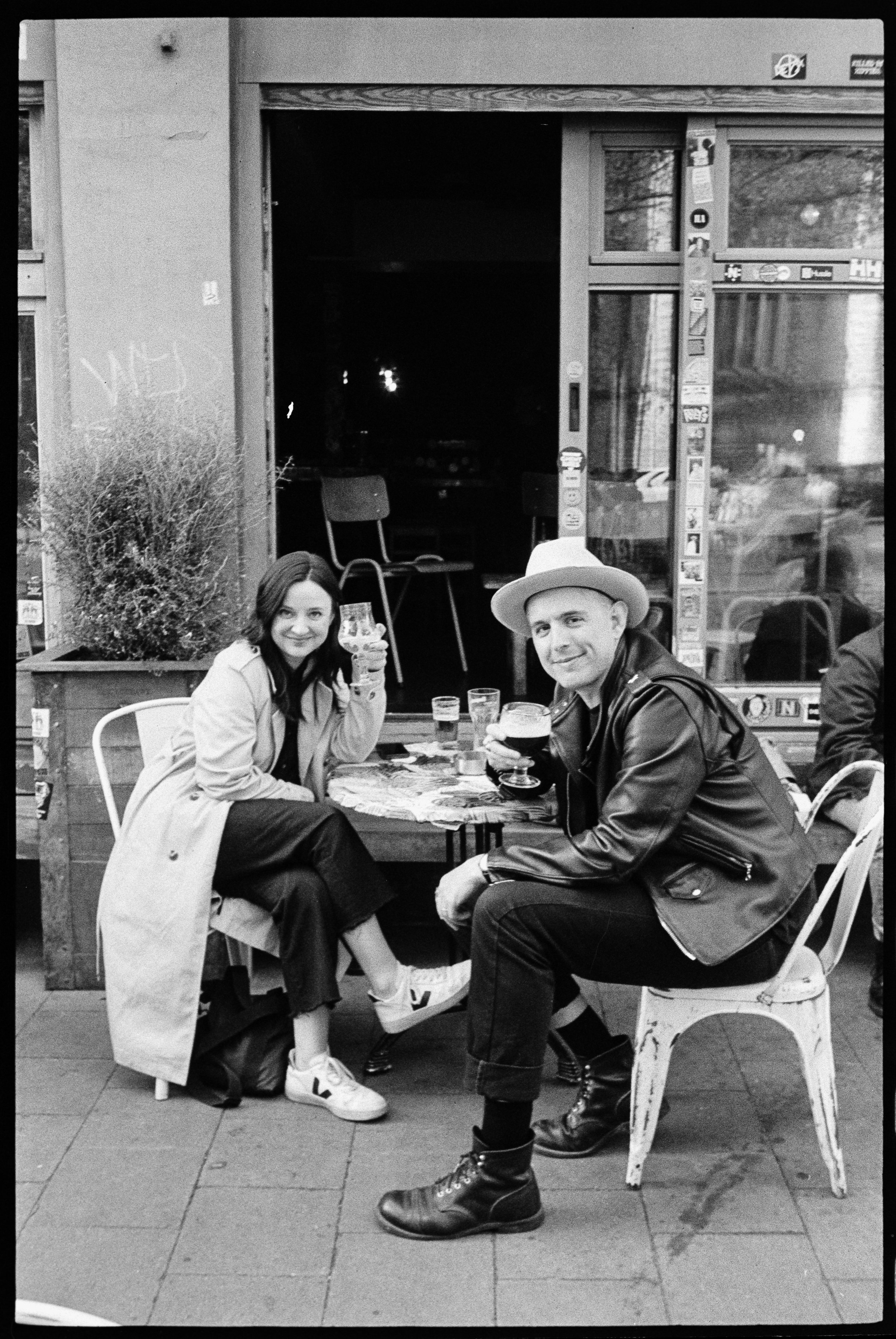
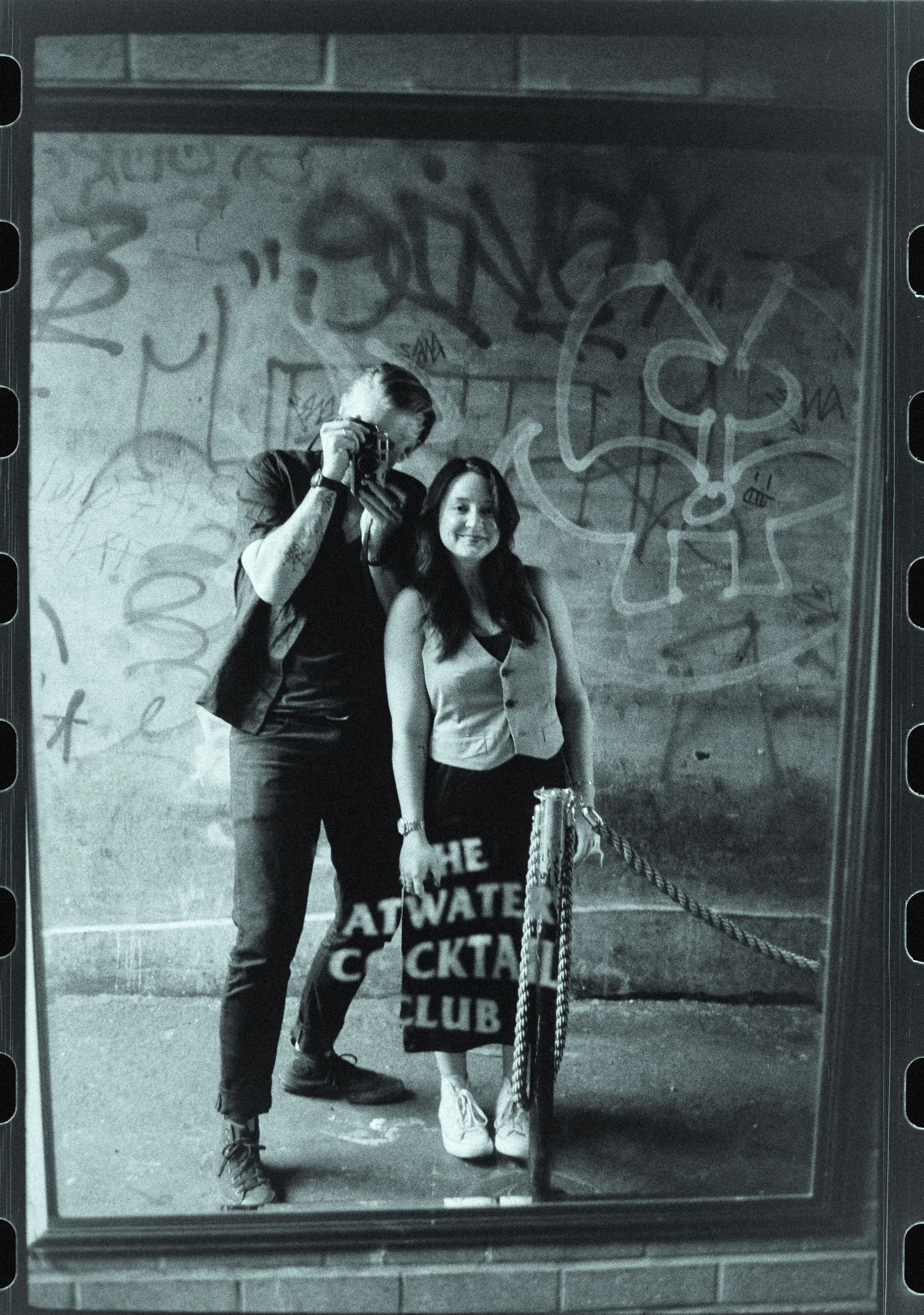
For my wife Sarah and me, nostalgia isn’t about the past. It’s about the present, and the uncomfortable awareness that it won’t stay this way forever. She calls it “happy-sad.” I’ve always called it, “a perfect moment”. That split second when you realize you’re fully alive, right here, and already losing it.
That feeling is probably why I ended up with a camera in my hands.
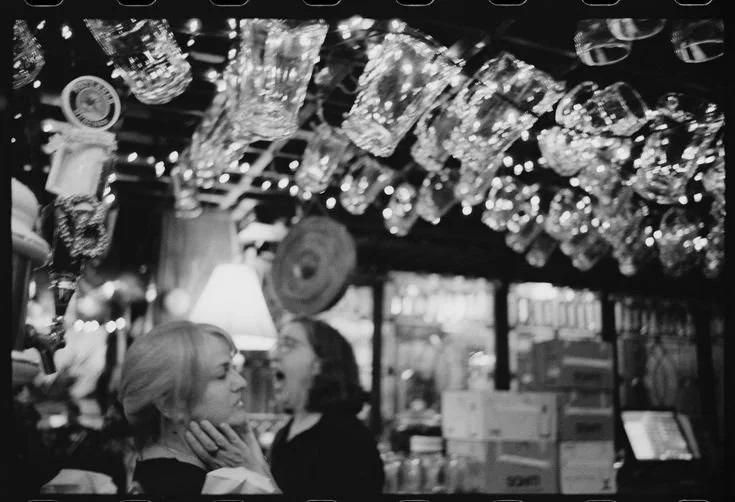
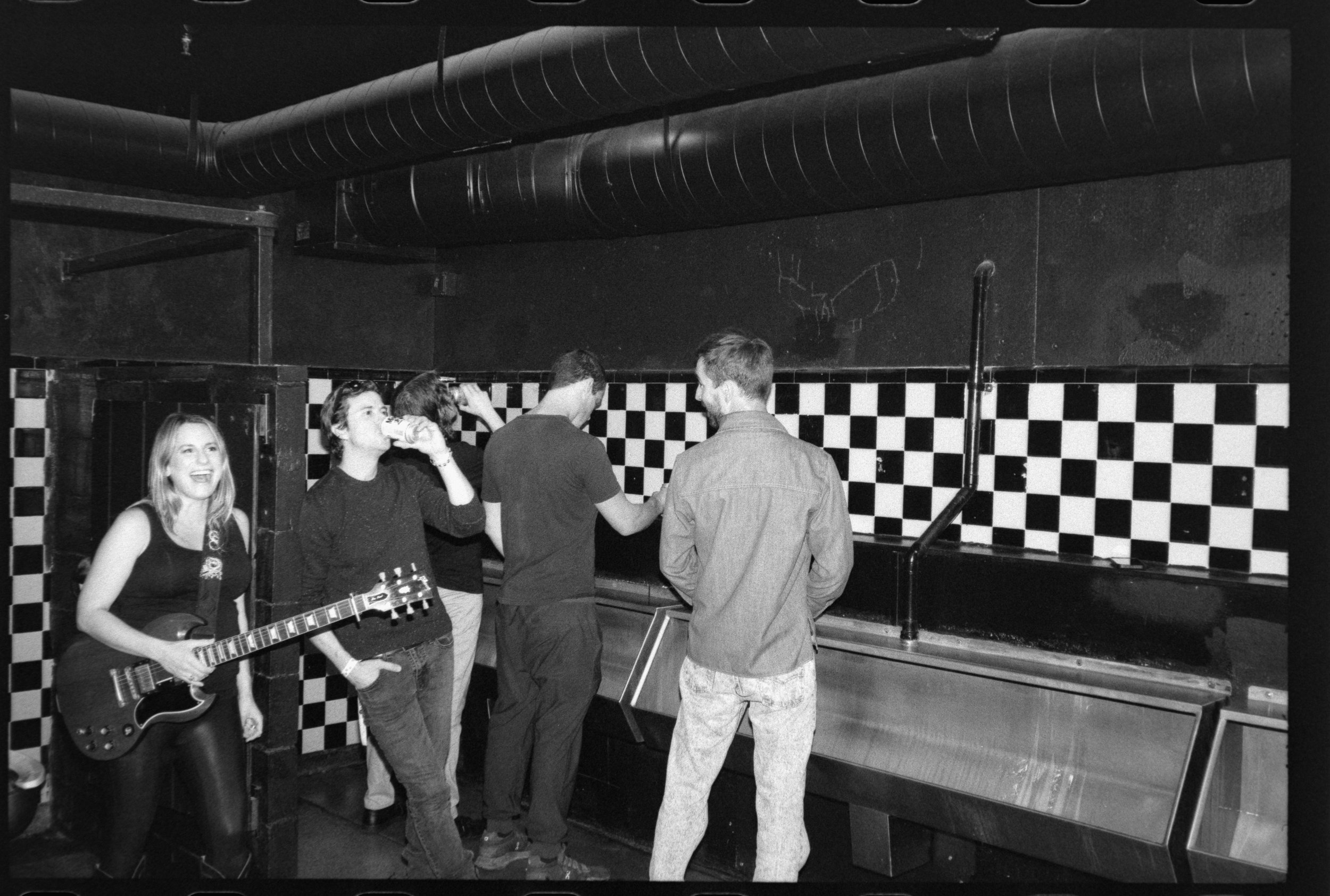
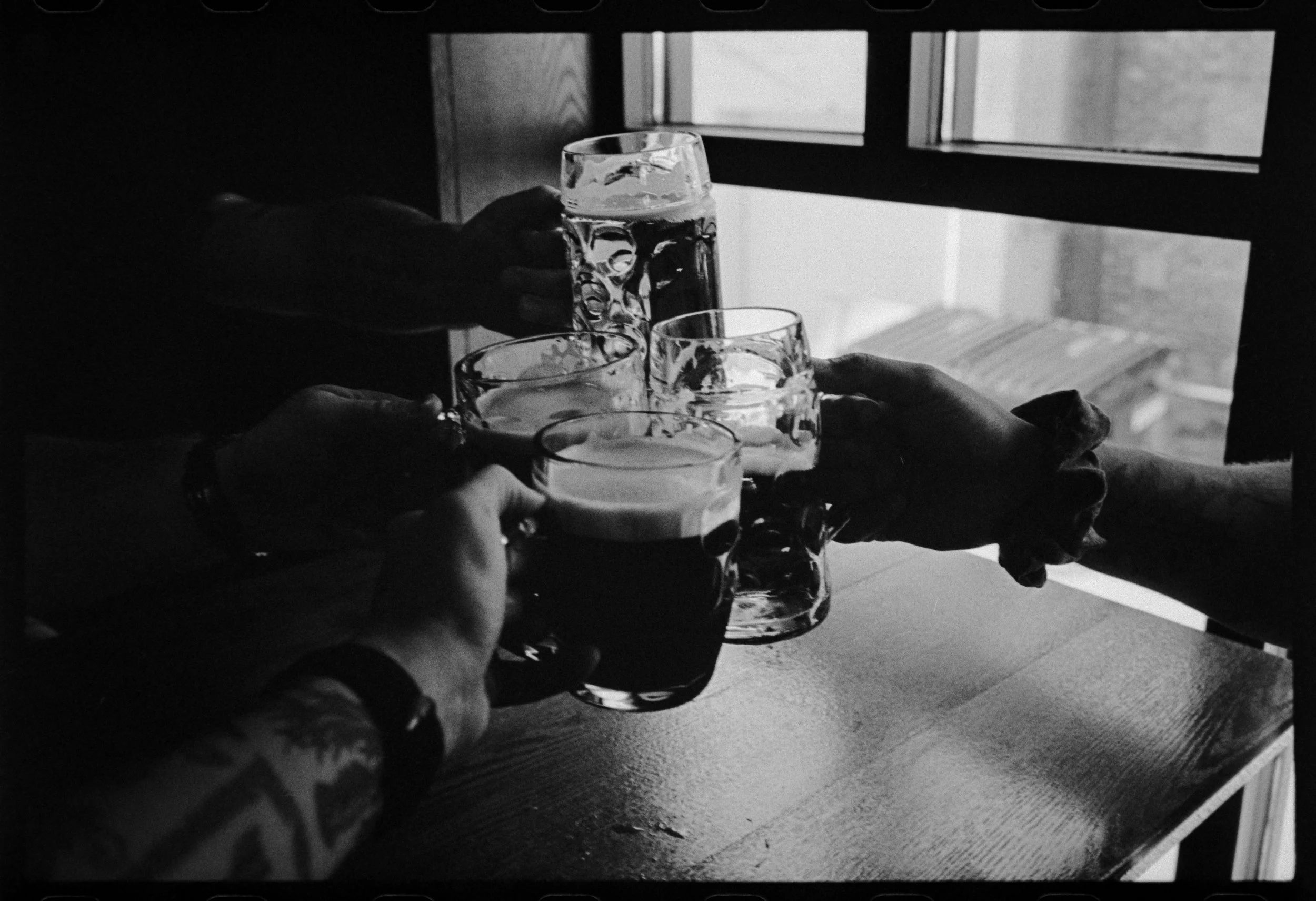
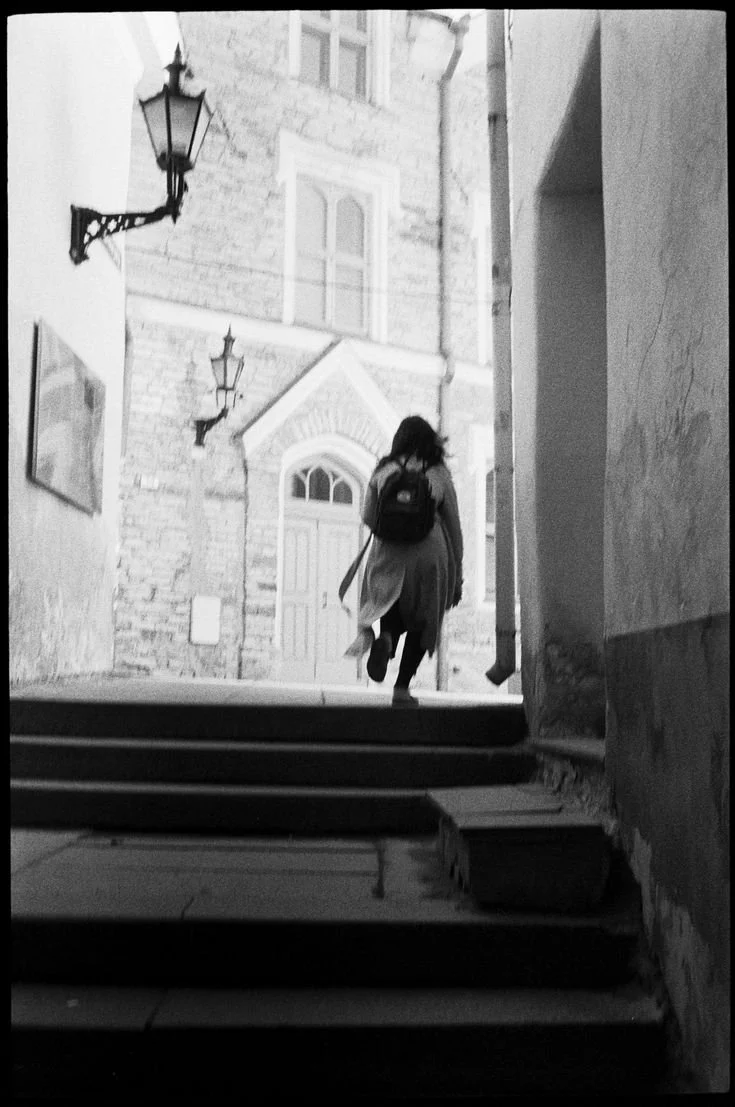
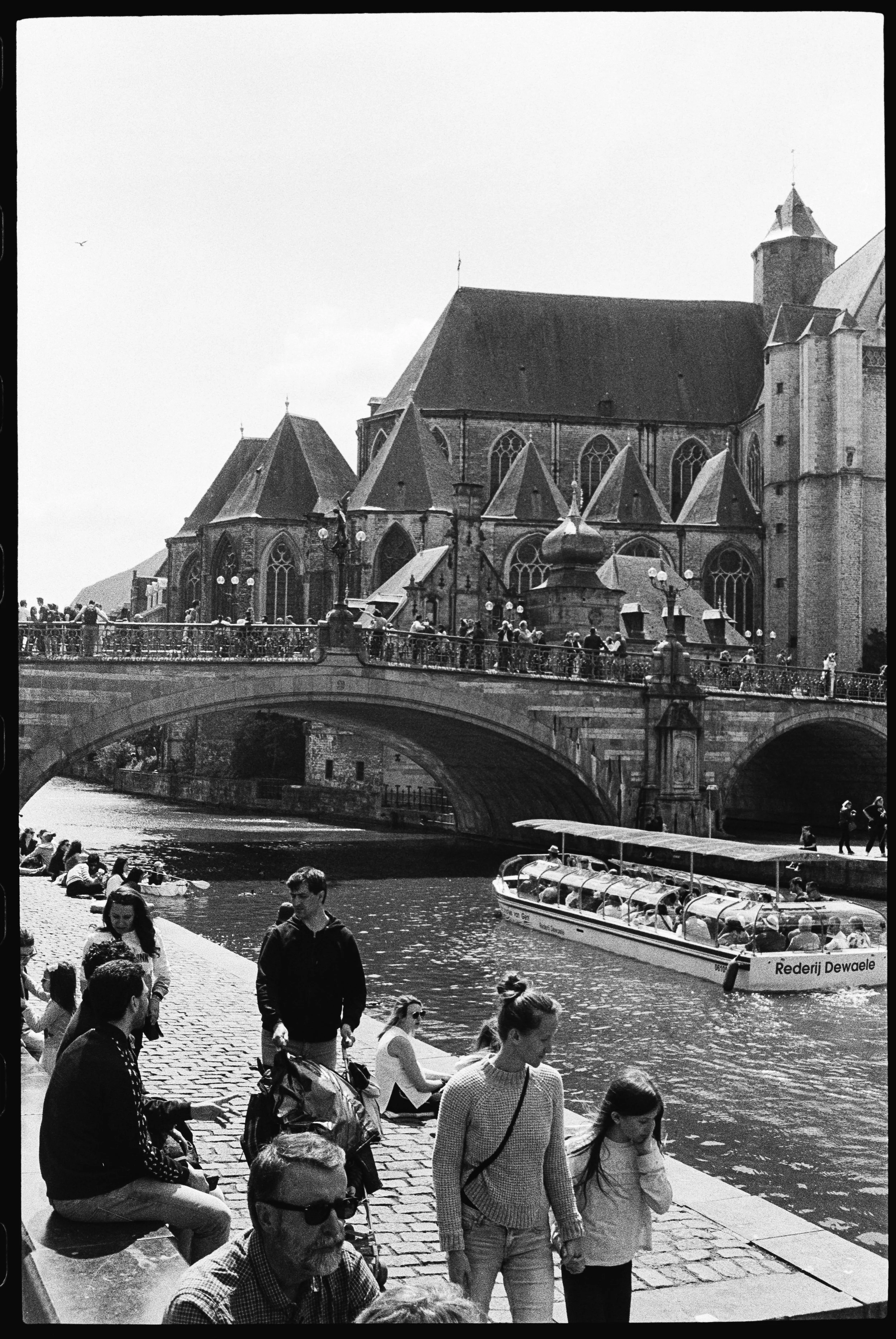
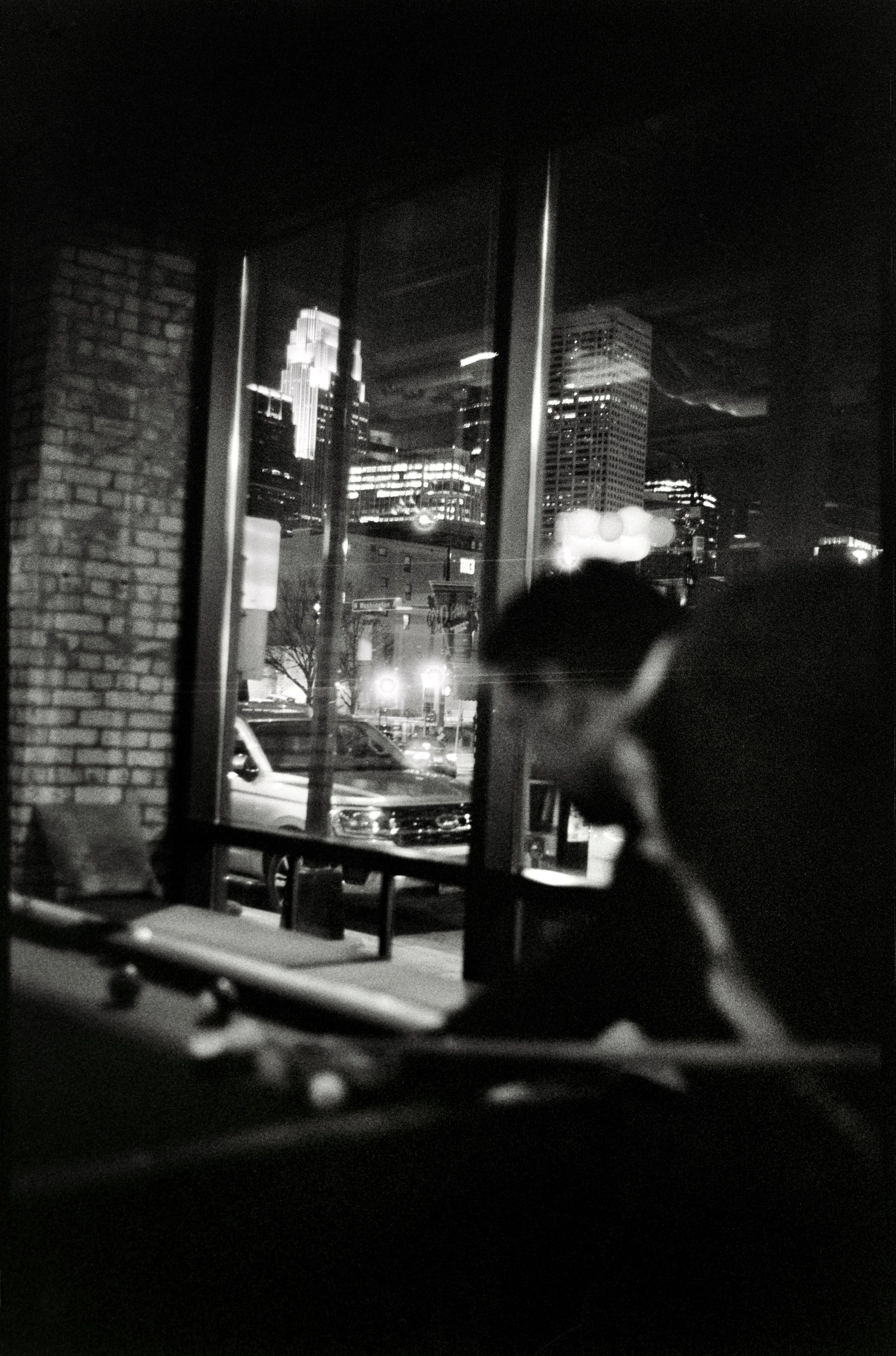
I’m keenly aware of how fast things disappear. Conversations. Light. A song playing in the background while you’re leaning on a bar. Making a photograph is my way of slowing that down just enough to say, this mattered. Not in a purely sentimental way. In a practical one.
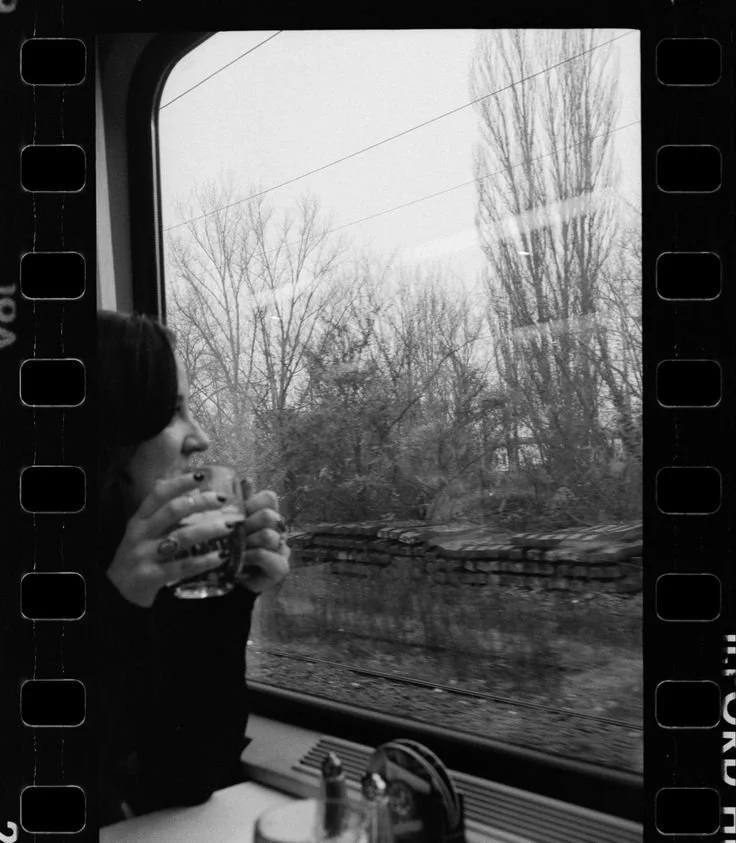
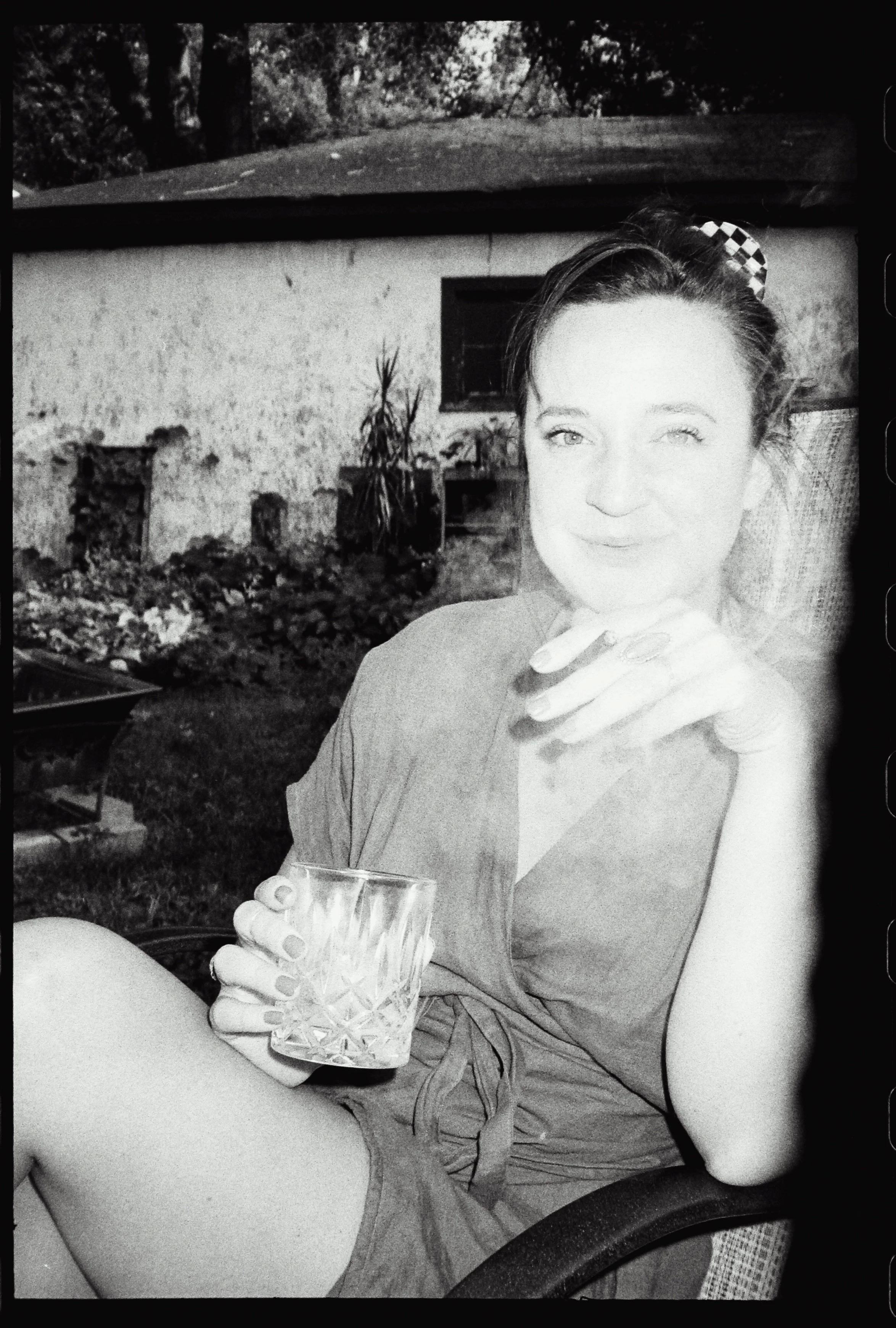
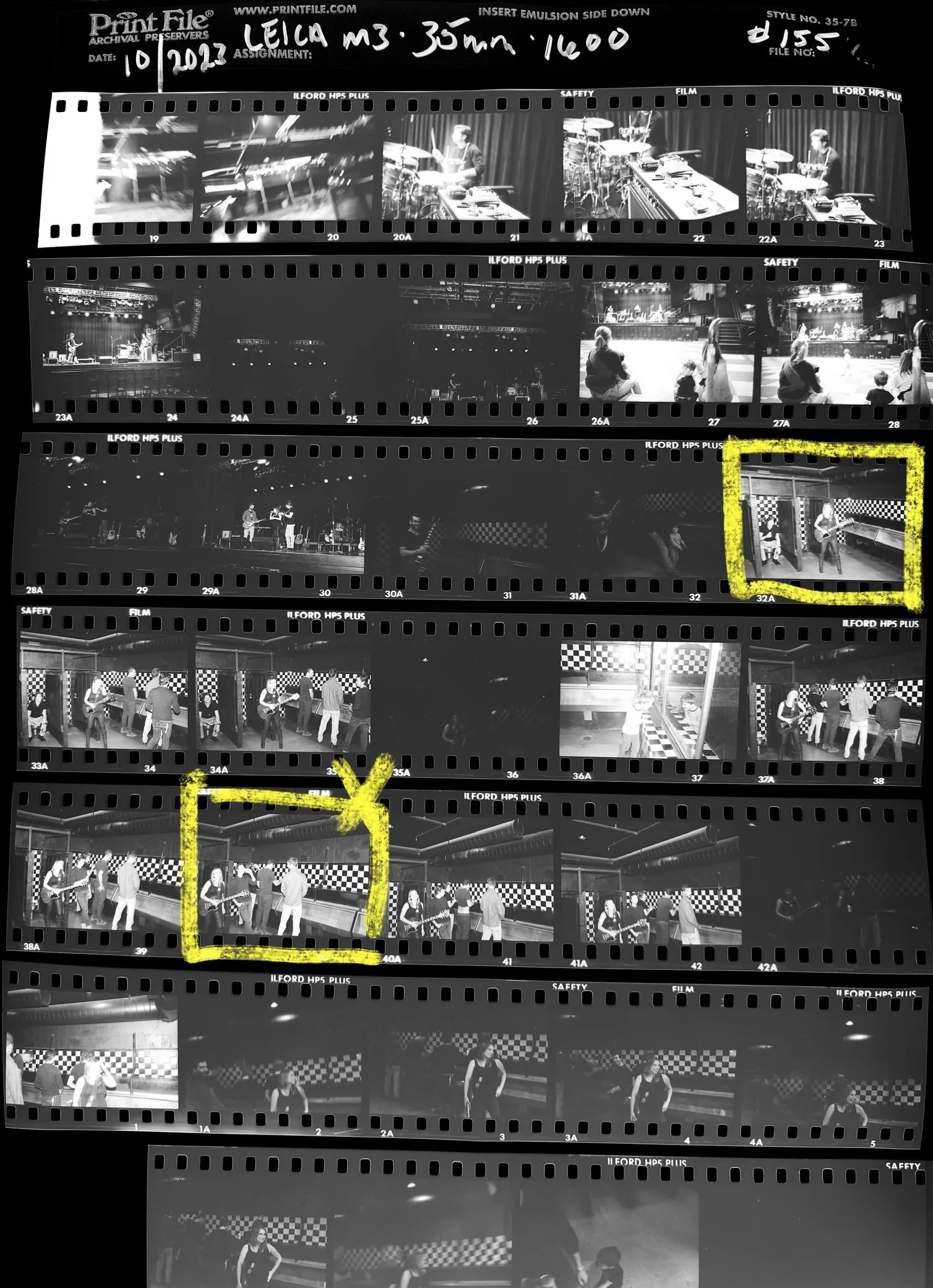
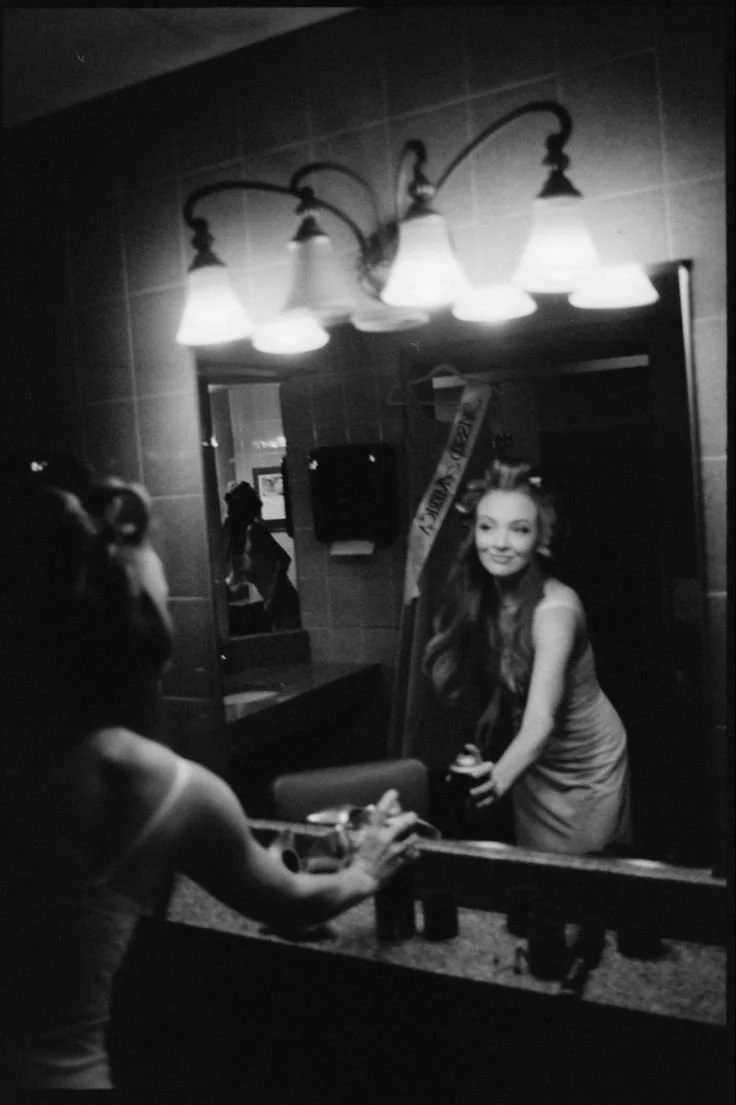
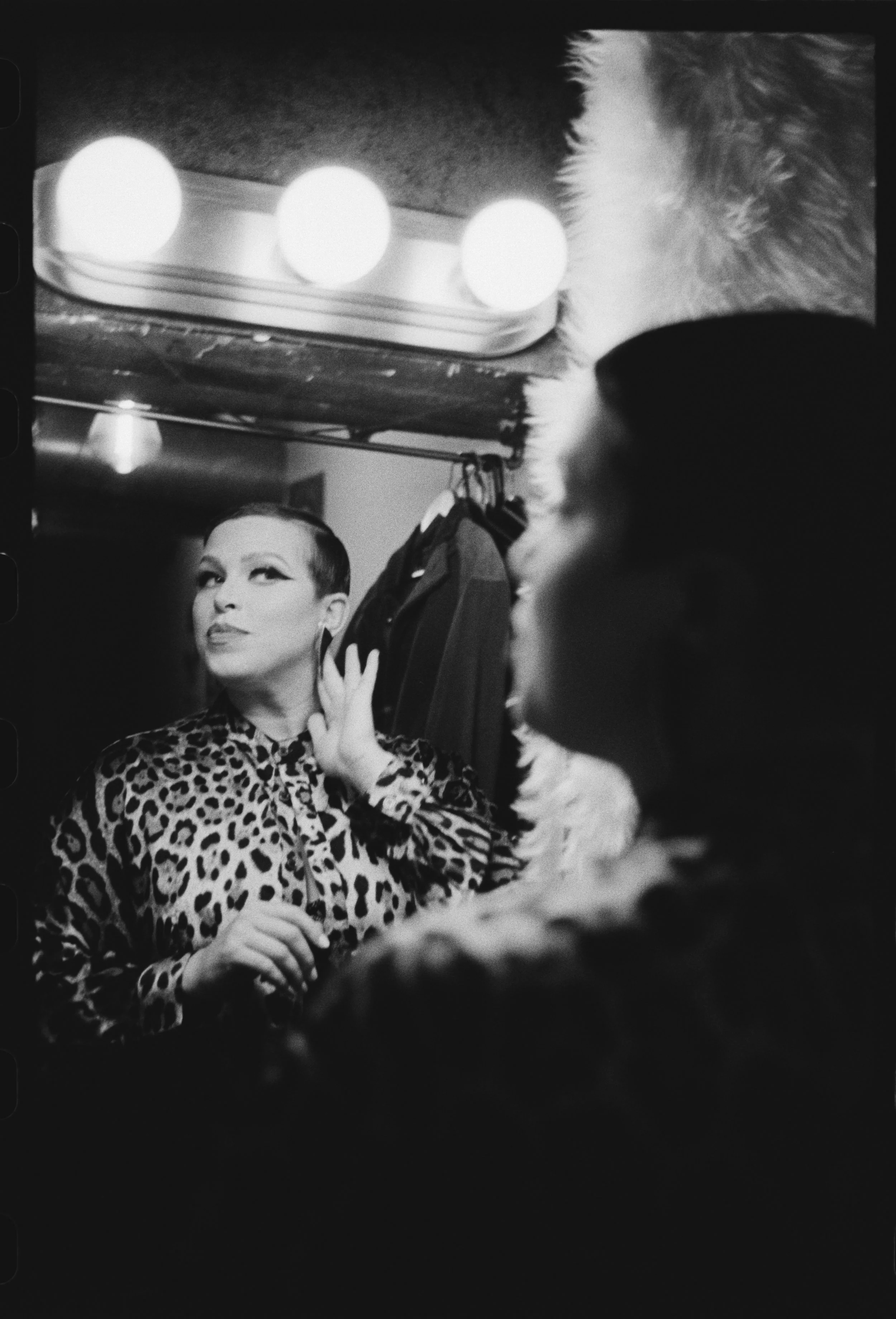
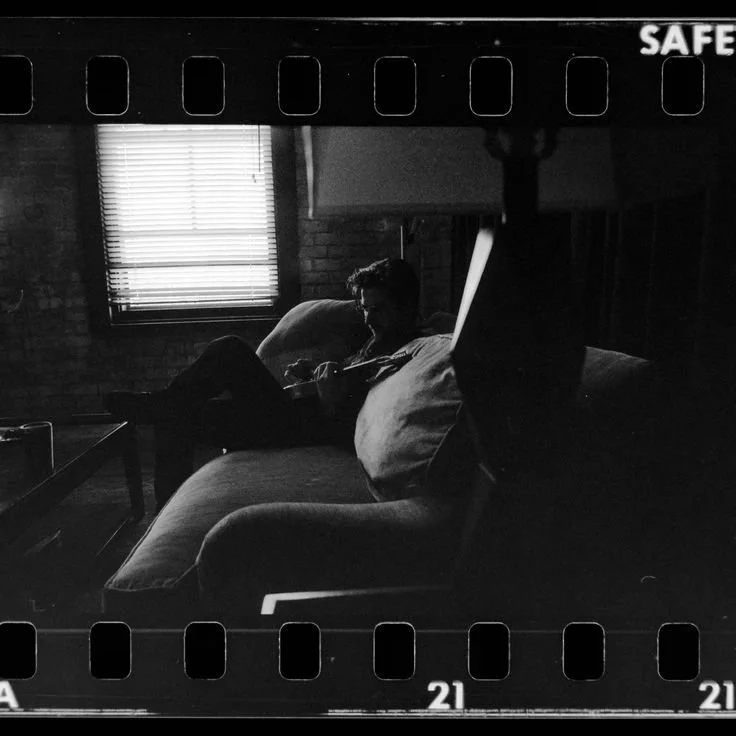
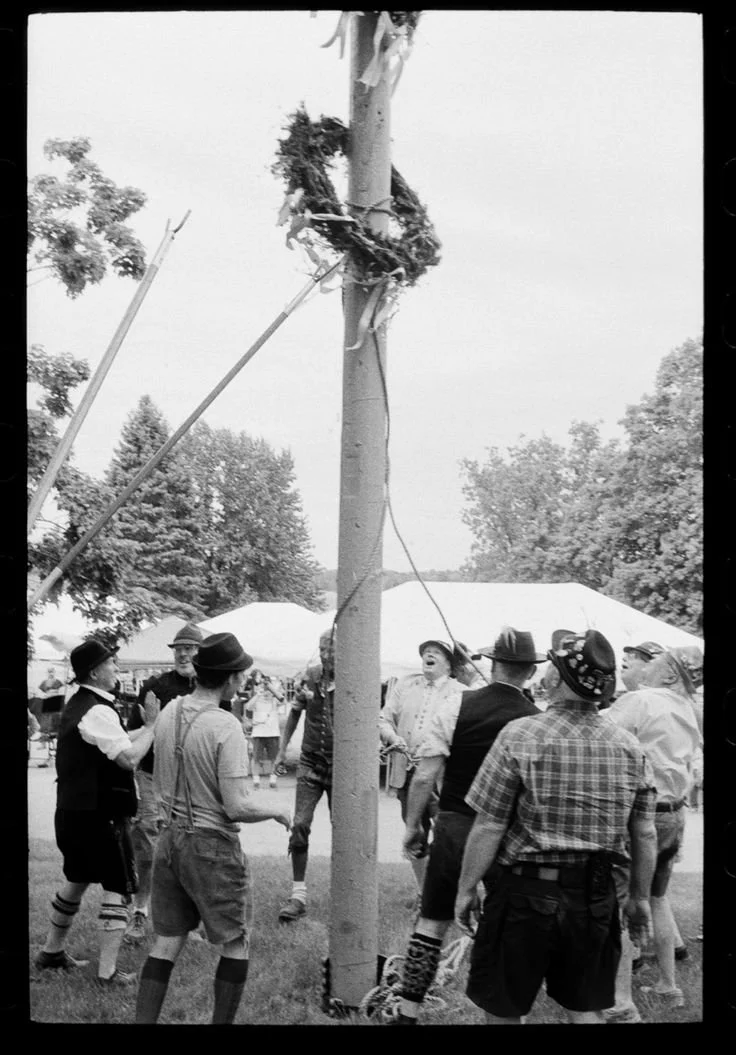
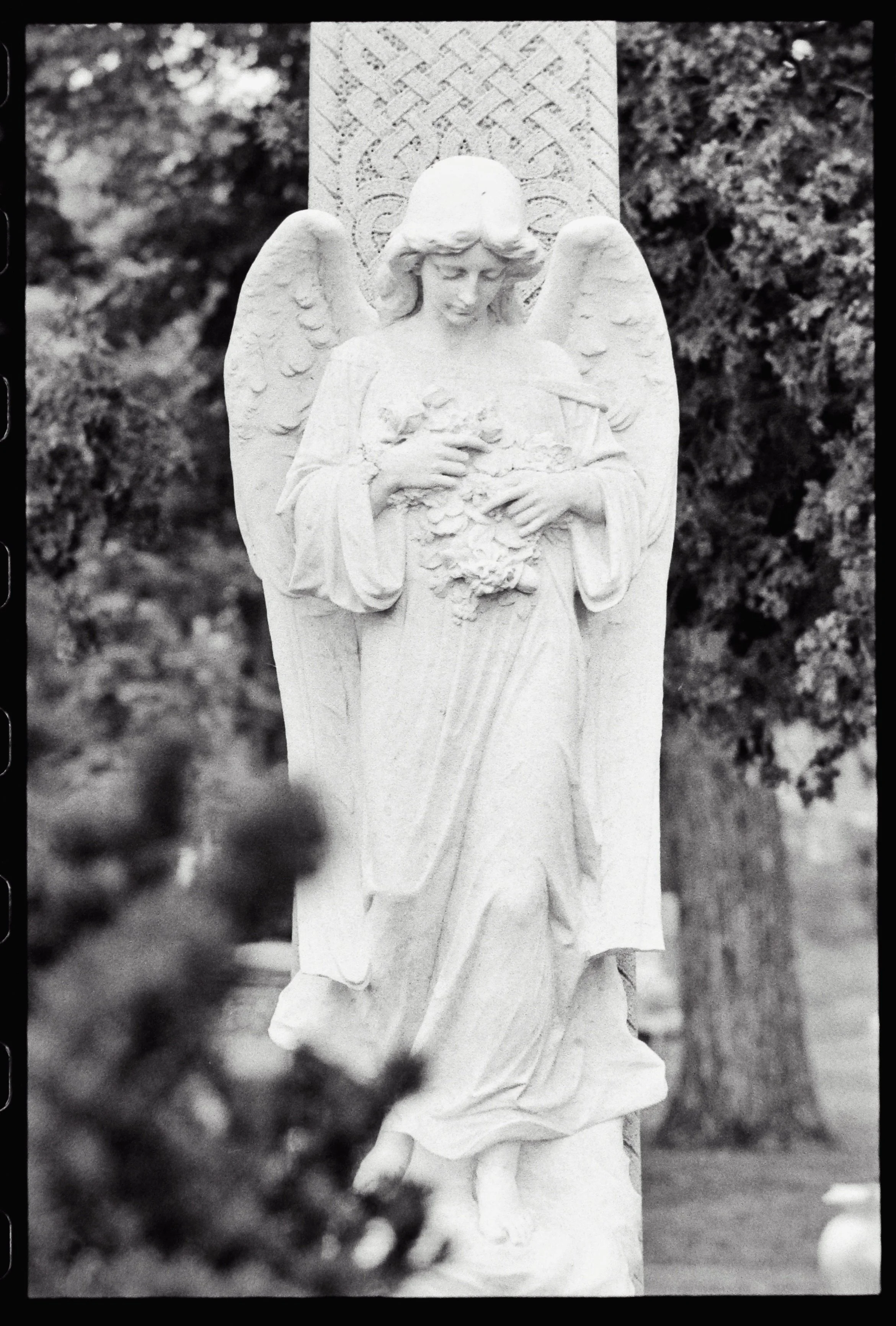
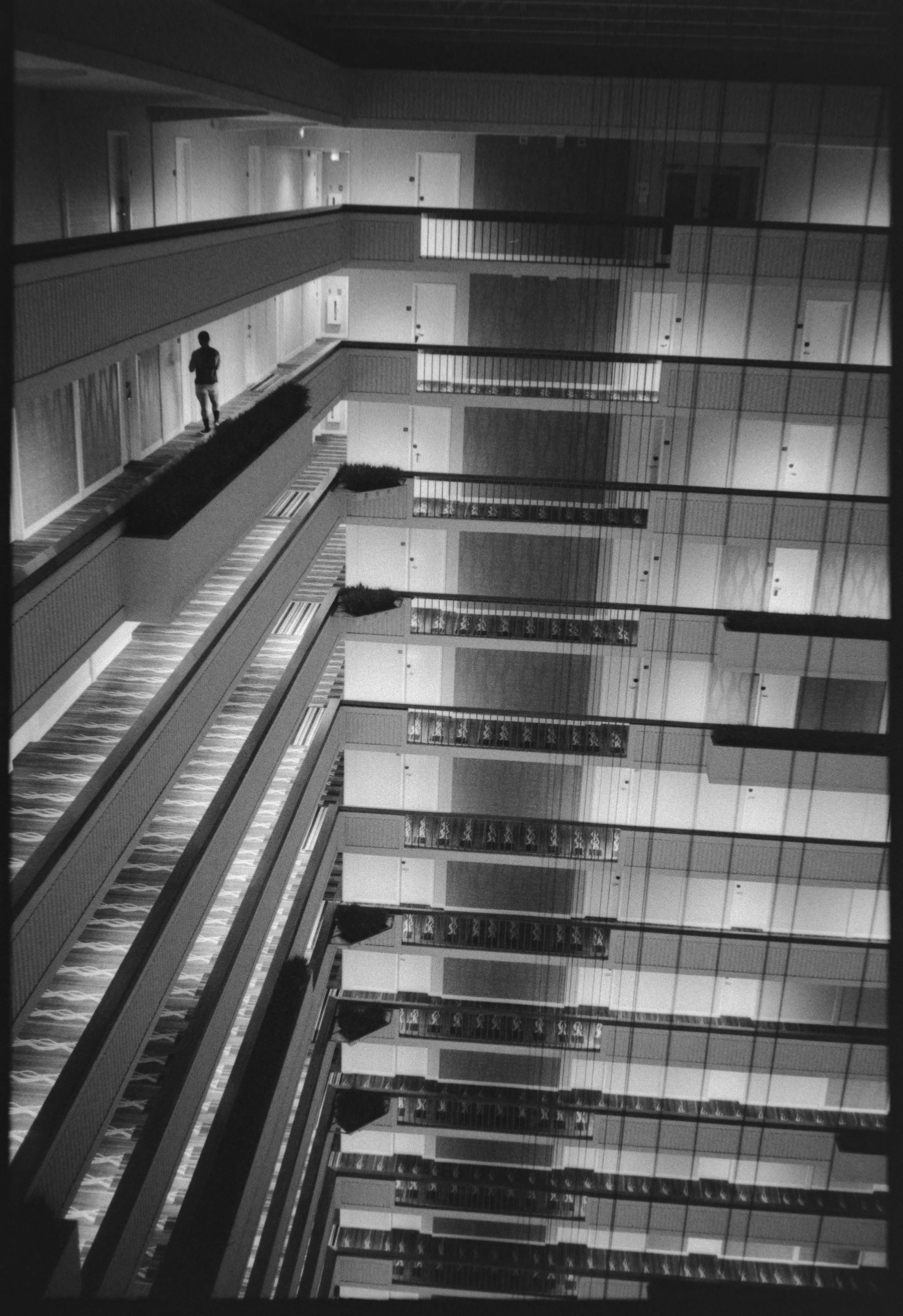
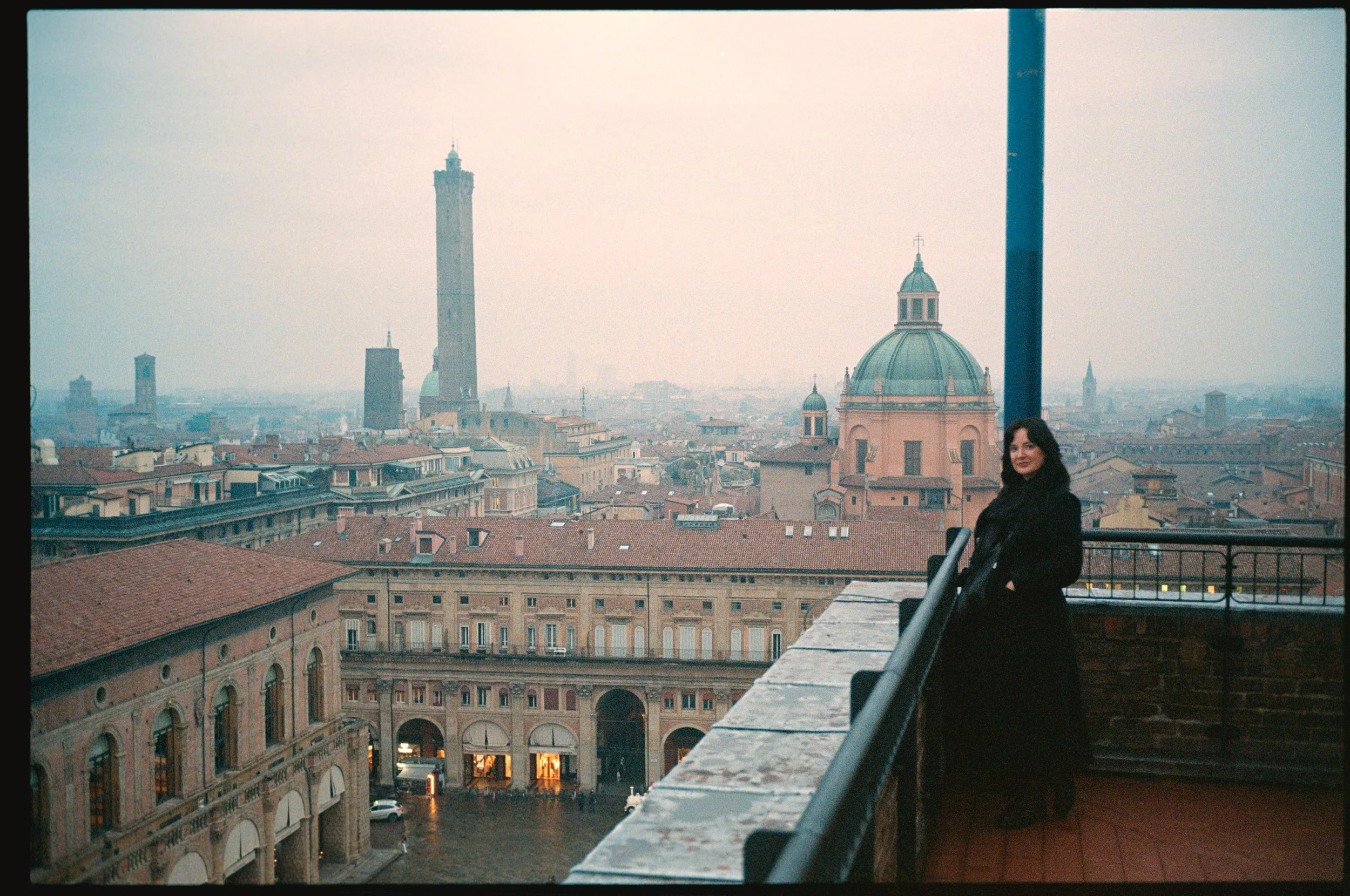
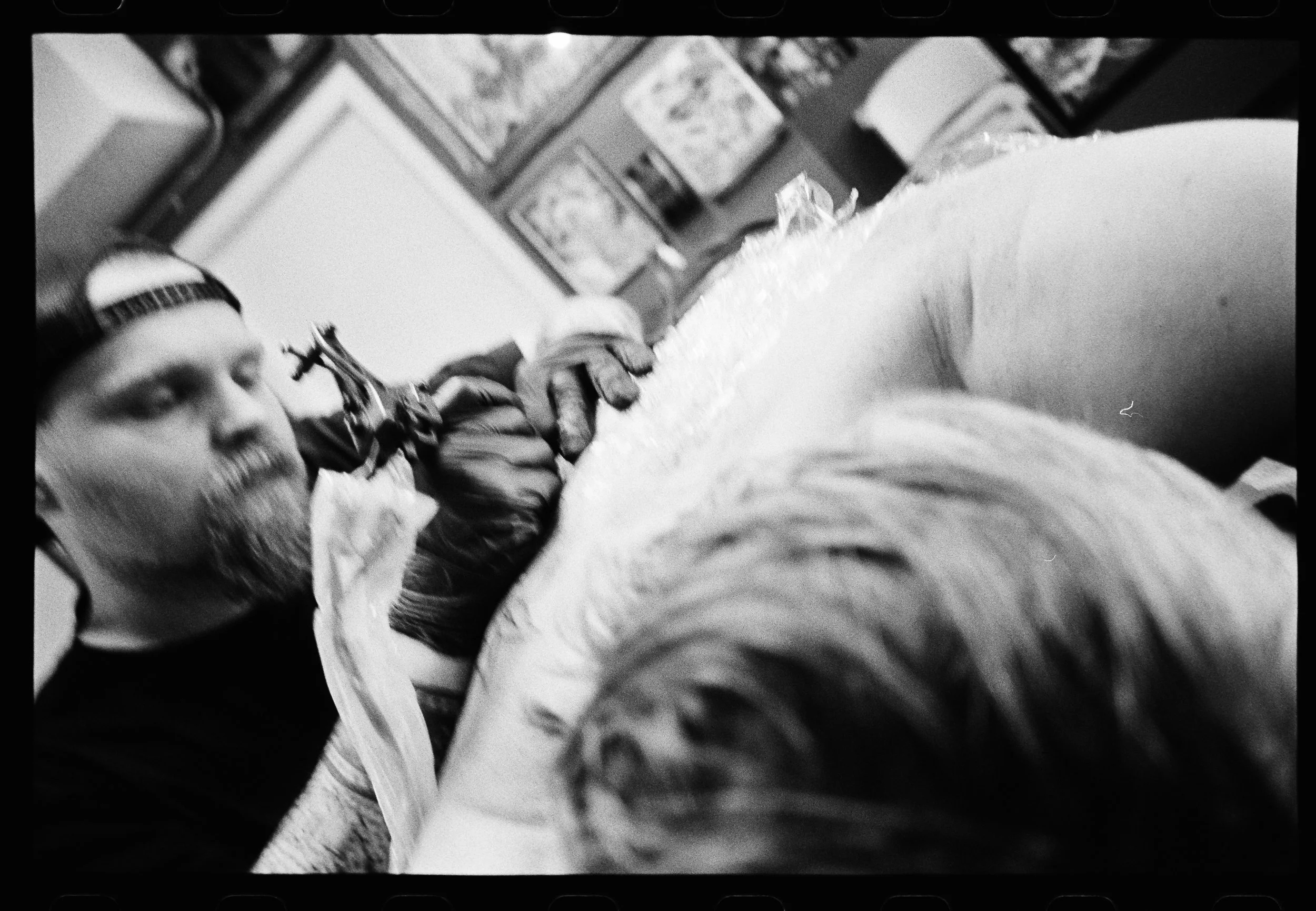
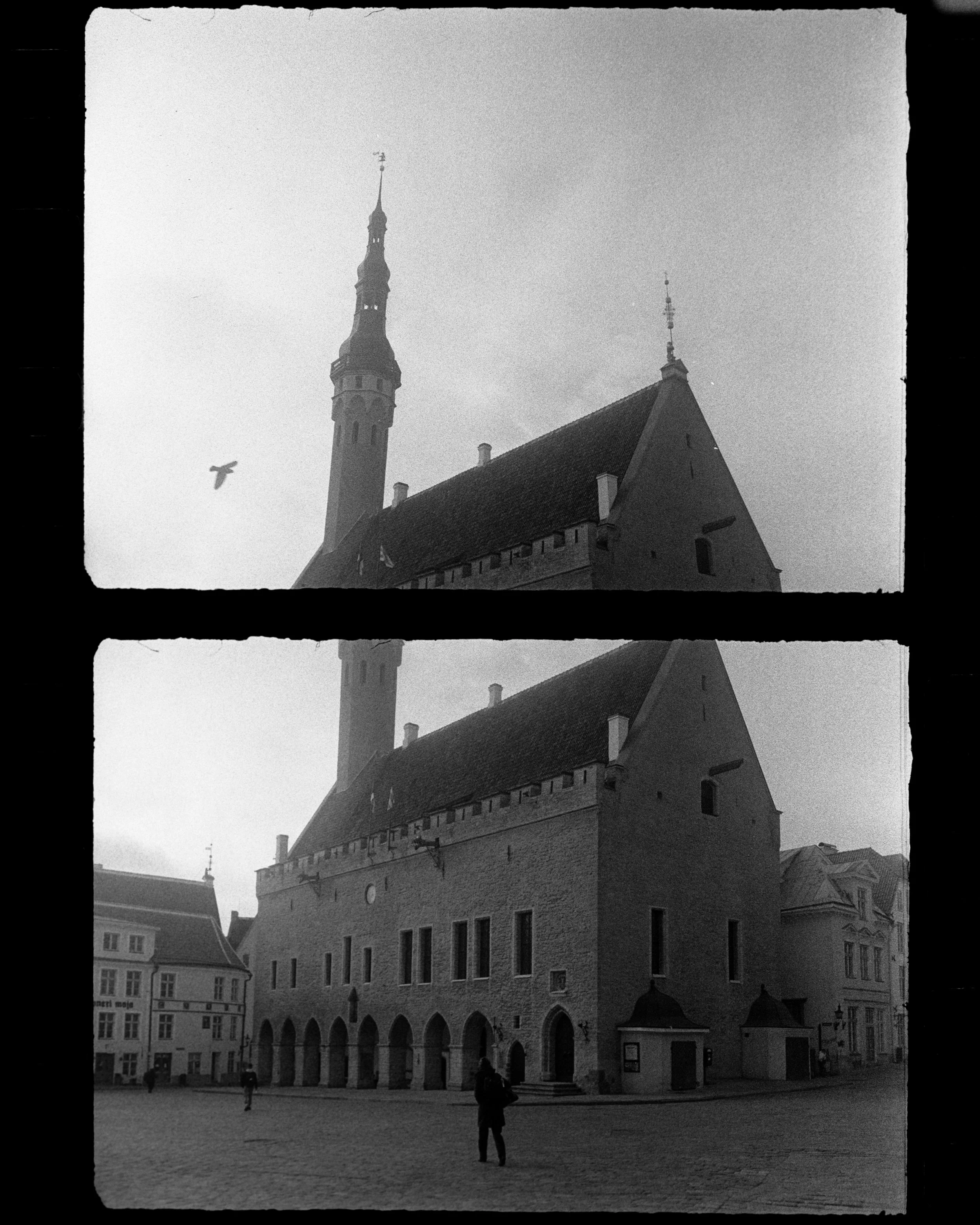
That’s also why I shoot film. Not because it’s romantic, but because it’s physical. Silver gelatin turns moments into objects. You can hold them. File them. Lose them. Find them again. Film doesn’t preserve memory perfectly. It just proves the moment existed.
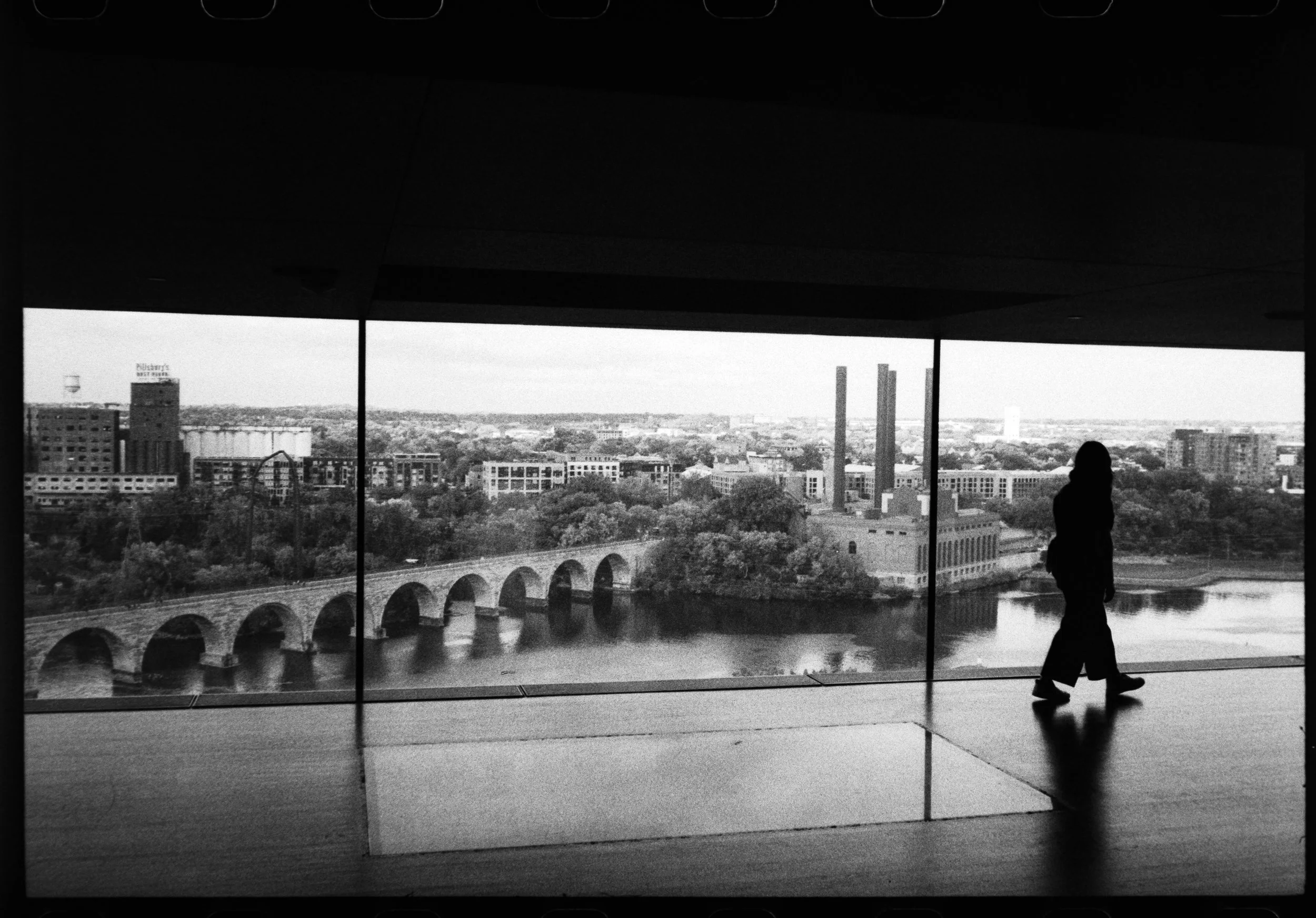
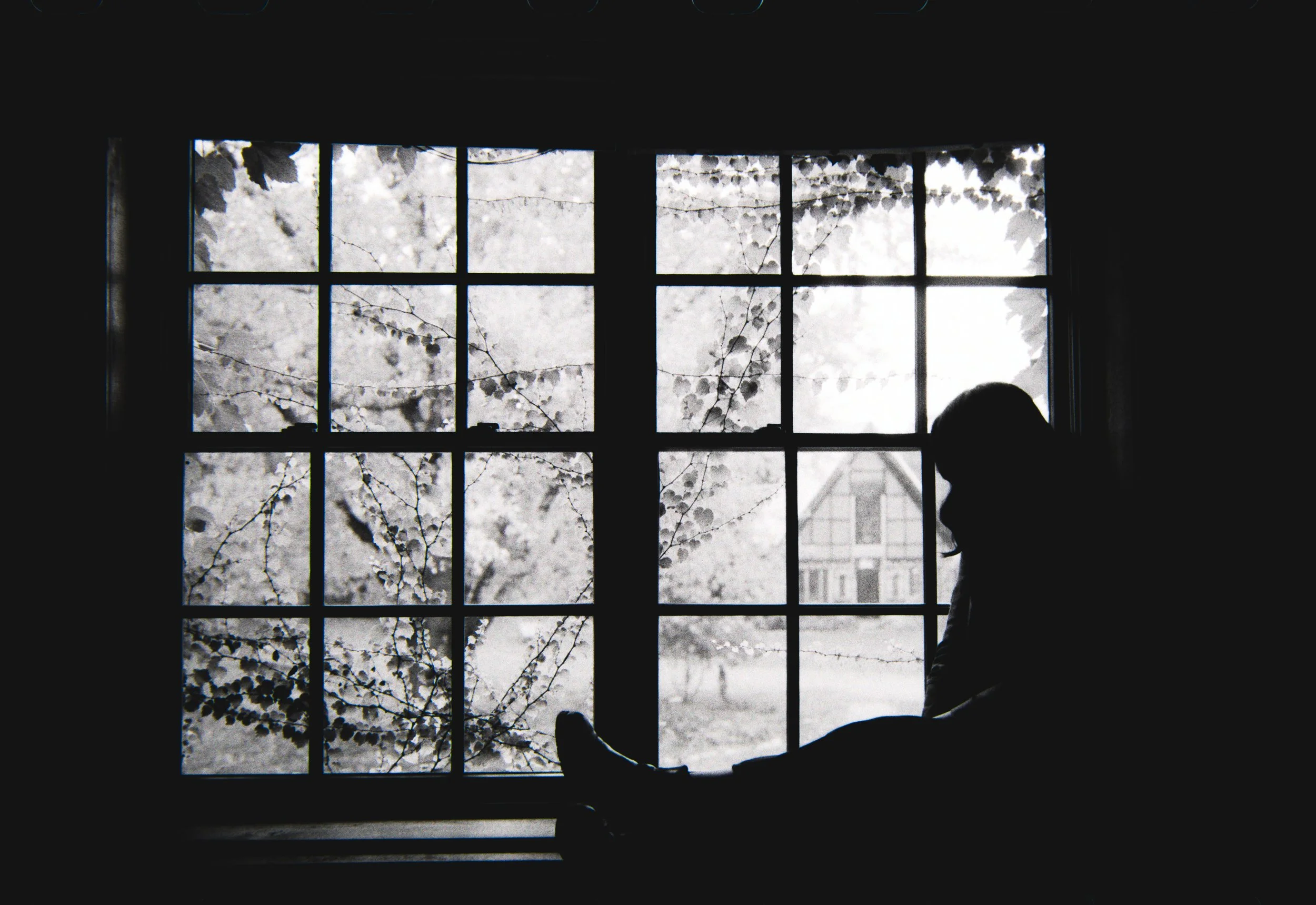
To me, nostalgia isn’t about escape. It’s what happens when gratitude and loss occupy the same space. When you’re aware enough to notice what’s happening while it’s happening. This exact person next to you. This exact light coming through the window. This exact version of yourself. It won’t last. That’s not tragic. That’s the point.
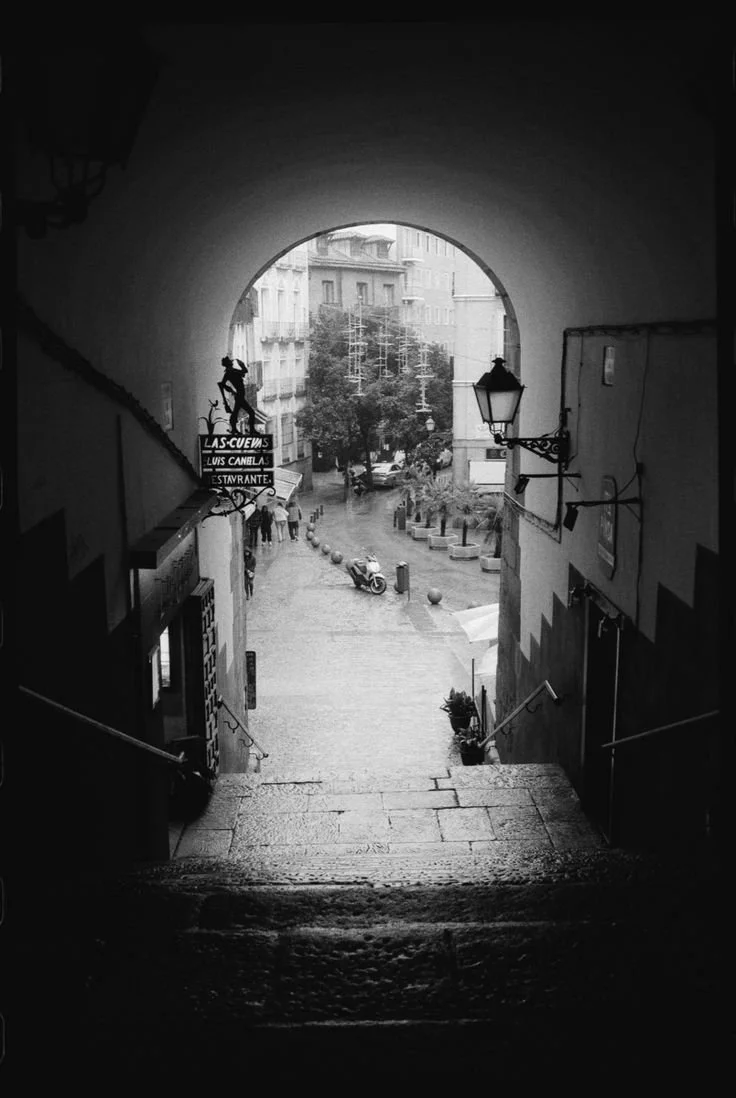
People like to say “this too shall pass” as a way to get through hard things. I hear it differently. It’s a reminder not to sleepwalk through the good ones. The laughter, the warmth, the quiet moments, the fly-over days. This too shall pass. Pay attention.
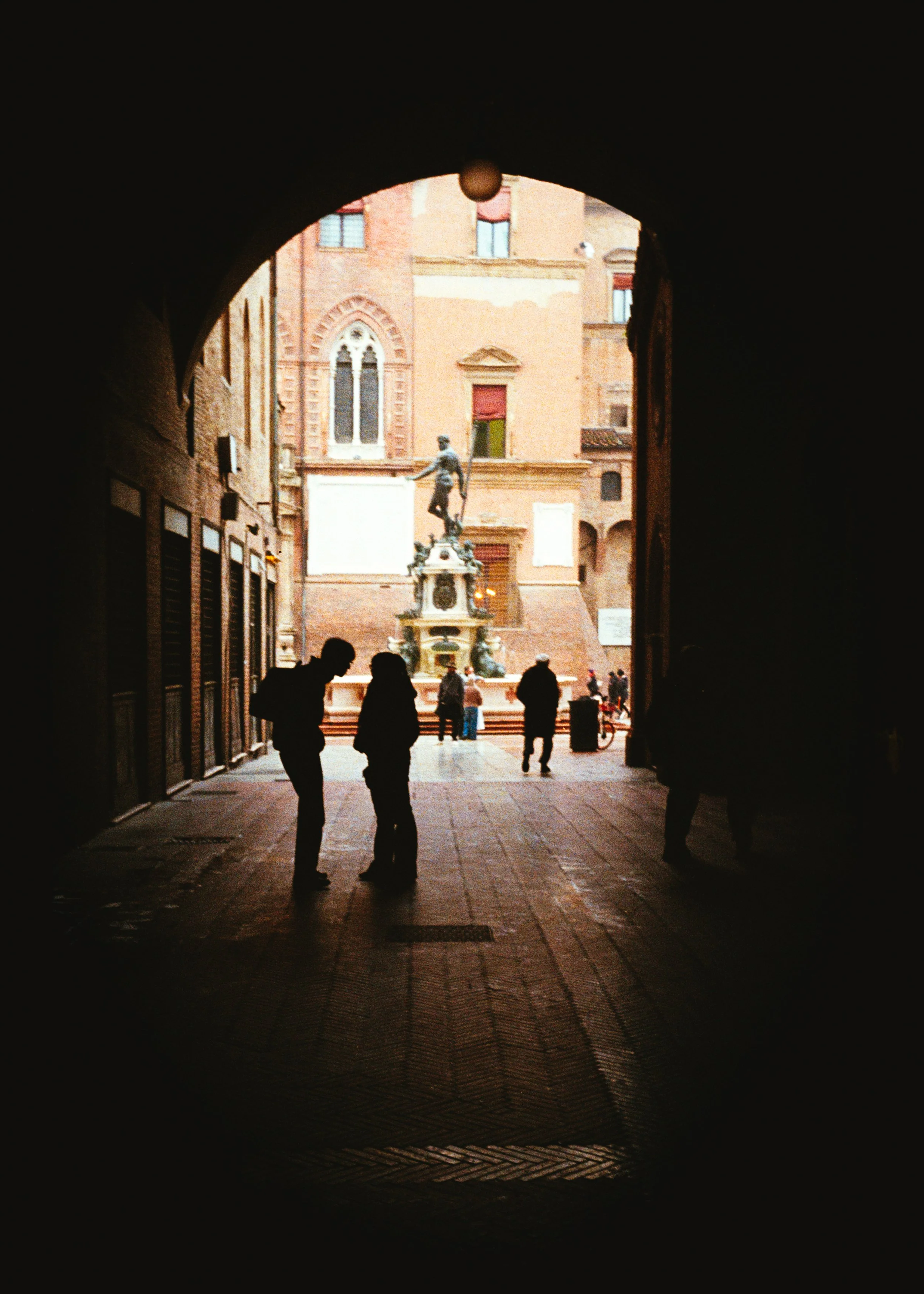
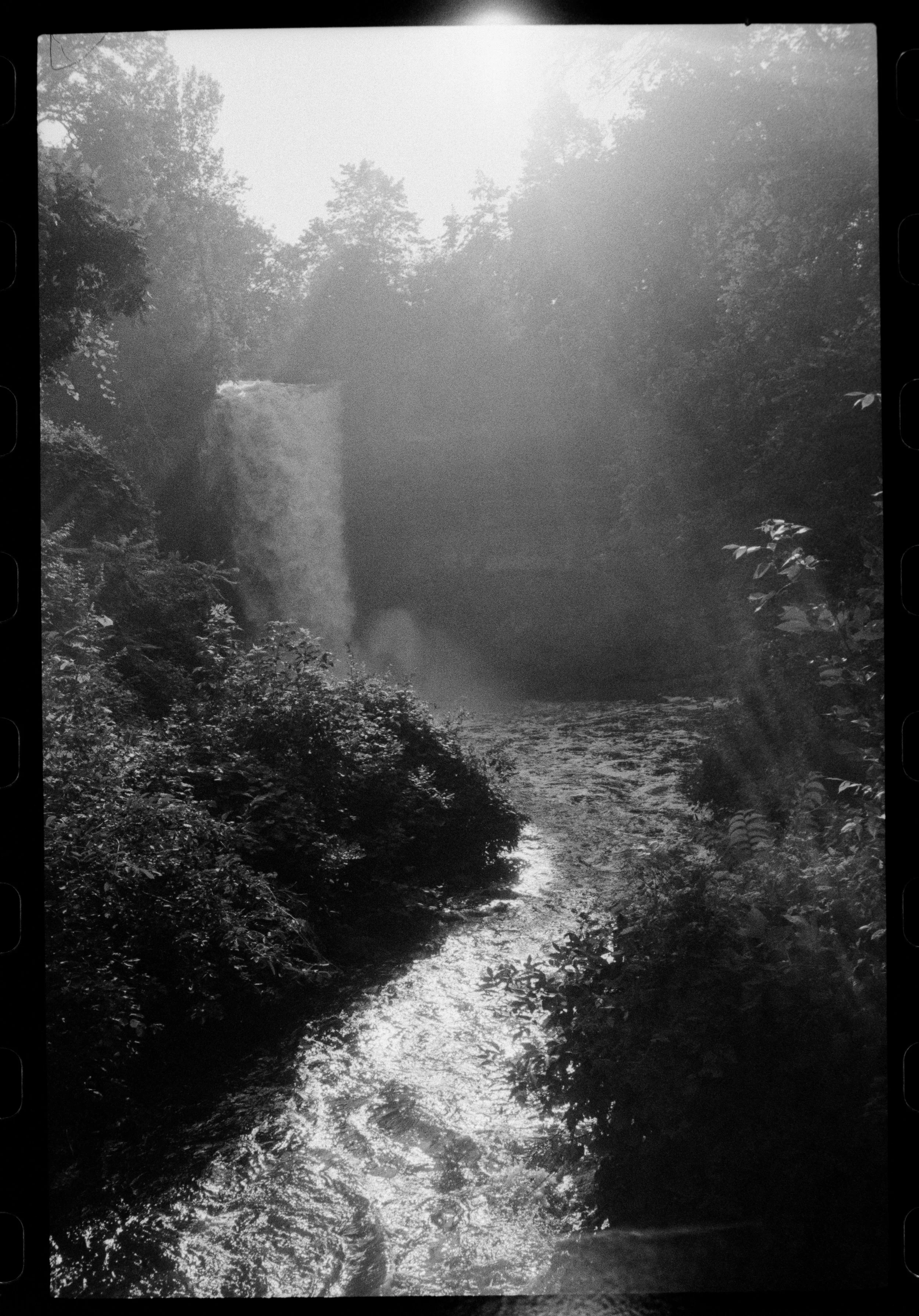
Even now, as I’m writing this, the light in the room keeps changing. A cloud slid in front of the sun and everything shifted. That’s why I rarely work in studios. The light there behaves. It’s predictable. Real life isn’t. Golden hour, my ass. Most of the time, life only gives you a few golden seconds.
In the early 1900s, Alfred Stieglitz published a photography journal called Camera Work. In it, he introduced his ‘Doctrine of Equivalents’ - the idea that a photograph could express the artist’s inner state and evoke emotion, not just record what something looked like. His goal wasn’t to show what he saw, but to say, here’s how it felt.
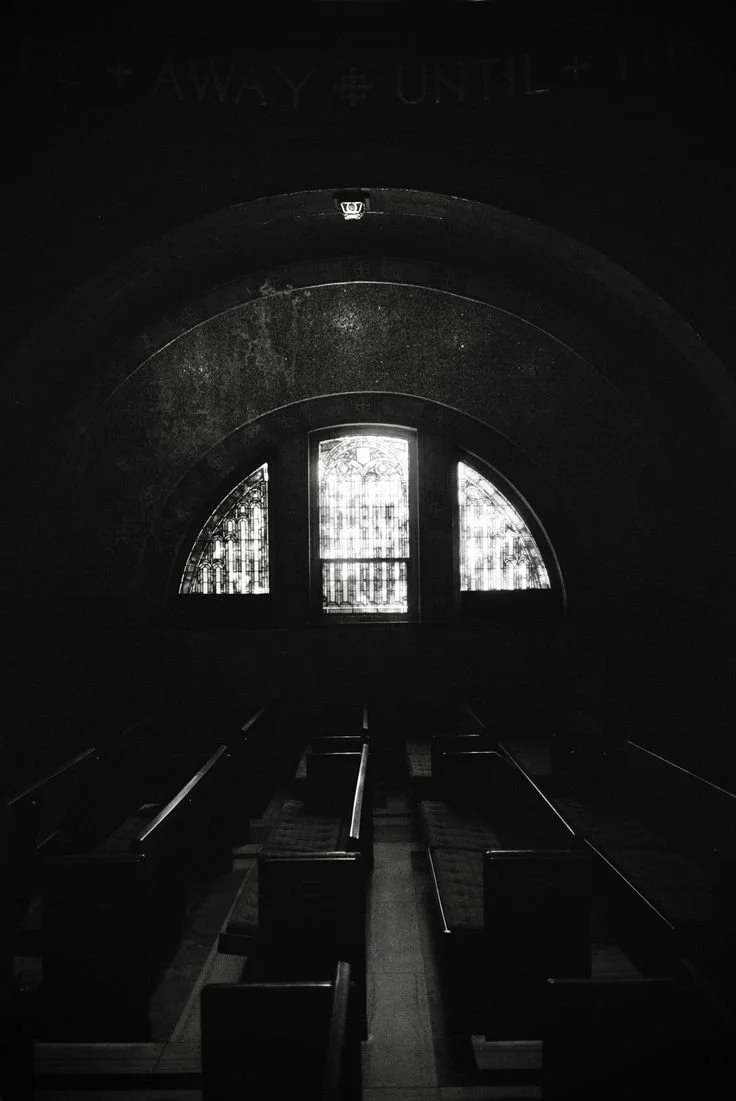
The photographs that stay with me don’t explain themselves. They work more like music. They pull you into a feeling.
For a long time, I thought I was making photographs for the future. For twenty or thirty years from now, so we’d remember how it felt.
I don’t believe that anymore.
I’m not making photographs to remember later.
I’m making them to remind myself what it feels like to be alive, right now.
//rob